

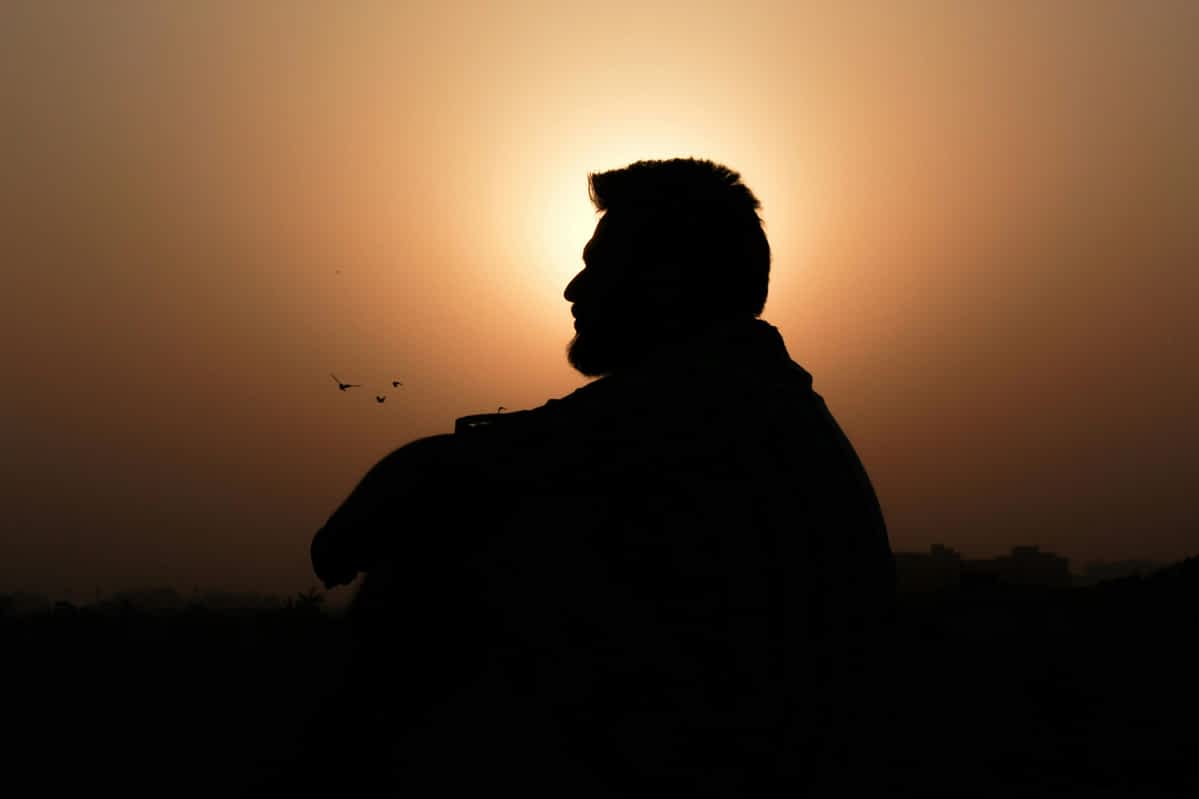
Inside the Incel Movement: How Lonely Misfits Become Love-Starved Men
I thought incels were just angry virgins until I realized they were being systematically radicalized, and I watched it happen to someone I knew. I watched him spiral into that darkness, convinced the world conspired against them.
That’s where the incel movement finds its recruits.
These aren’t monsters hiding in basements. They’re your coworkers, your classmates, your neighbors. Lonely misfits searching for answers to why connection feels impossible. And when they find communities that validate their pain while weaponizing their loneliness, something shifts.
The Appeal of Belonging
Picture this: You’ve been rejected more times than you can count. Dating apps feel like black holes. Every success story around you amplifies your failure. Then you stumble into a forum where thousands of men share your exact experience. They have terminology for your pain. Explanations for your struggles.
Finally, someone gets it.
That initial relief is intoxicating. Love-starved men crave understanding almost as much as they crave connection. The incel movement offers both, wrapped in the seductive comfort of shared victimhood.
But here’s what happens next.
When Validation Becomes Poison
The community that welcomed you starts feeding you a different narrative. Your struggles aren’t circumstantial. They’re systematic. Women aren’t individual people making individual choices. They’re a monolith programmed to reject you based on immutable characteristics.
Incel beliefs about women reduce half the population to shallow, cruel arbiters of genetic worth. In this worldview, women only want the top tier of men. Everyone else is invisible, disposable, less than human.
The language gets darker. “Chads” and “Stacys.” “Looksmaxing” and “the blackpill.” What started as a support group morphs into an ideology. Your pain, once valid, becomes a weapon. Your loneliness, once acknowledged, becomes an identity you can’t escape.
The Trap of Certainty
I had a conversation with someone deep in incel forums once. Smart guy. Articulate. Completely convinced that his facial structure determined his entire romantic fate. When I mentioned men who looked like him in happy relationships, he had explanations ready. Exceptions. Gold diggers. Liars.
That’s the insidious part. Incel views on women create a closed loop. Every piece of contradicting evidence gets reframed to fit the narrative.
Woman treats you kindly? She’s virtue signaling. Woman ignores you? Proof of your theory. Woman dates someone conventionally attractive? The system is rigged. Woman dates someone unconventional? She settled or has ulterior motives.
You can’t win. More importantly, you can’t grow.

What Feeds the Movement
The incel movement didn’t emerge from nowhere. Social isolation is real. Dating has become transactional in ways that leave people feeling disposable. Economic instability makes traditional markers of adulthood feel unreachable. Young men are struggling, and dismissing that struggle only pushes them further into extremism.
But here’s the critical distinction: acknowledging pain doesn’t mean accepting toxic solutions. Male loneliness is valid. The belief that women owe you affection because of your suffering is not.
These communities take real grievances and twist them into justifications for hatred. They take love-starved men and convince them the starvation is permanent, that wanting connection makes them pathetic, that the only honest response is bitterness.
The Cost of Belief
The saddest part is Incel beliefs become self-fulfilling. When you’re convinced women are shallow enemies, you approach every interaction with resentment. That resentment seeps through your words, your body language, your energy. People feel it. They pull away.
Then the community points to that rejection as proof: See? We told you. The cycle tightens.
I’ve seen men lose years to this. Bright futures dimmed by ideology. Potential connections sabotaged by preemptive bitterness. The very community that promised answers became a prison.
Breaking the Cycle
Getting out requires something uncomfortable: accepting uncertainty. Admitting you don’t have all the answers. Recognizing that your pain, while real, doesn’t grant you special insight into the minds of billions of women.
It means talking to women as individuals, not representatives of a gender. It means building a life that doesn’t revolve around romantic validation. It means finding communities that support growth instead of grievance.
Some guys make it out. They look back at their incel phase with something between shame and relief. They realize the movement didn’t protect them from pain. It amplified it, turned it into identity, made escape feel impossible.
The Alternative Path
Loneliness doesn’t have to lead here. Rejection doesn’t have to become radicalization. When connection feels impossible, the answer isn’t ideology. It’s patience, self-examination, and the humbling work of becoming someone you’d want to spend time with.
That sounds simple. It’s not. It requires facing the parts of yourself you’d rather blame on genetics or society or women. It requires vulnerability without the promise of reward. It requires building a life where romantic relationships enhance rather than define your worth.
The incel movement offers certainty, community, and excuses. The alternative offers growth, possibility, and the terrifying freedom of an open future.
This post may contain affiliate links. I earn from qualifying Amazon purchases at no extra cost to you. This content is for informational purposes only and is not a substitute for professional advice. Read full disclaimer.
Thank you for reading this post, don't forget to subscribe!