


When Emotional Immaturity Becomes Something Darker
There’s long nights when you replay the same fight in your head, trying to figure out where things went wrong.
You think maybe you overreacted. Maybe you’re too sensitive. Maybe if you just explained yourself better, they’d finally understand. But here’s what took me years to realize: some patterns aren’t about miscommunication. They’re about something deeper, something harder to name.
Emotional immaturity sounds almost harmless, like someone who forgets to do the dishes or avoids hard conversations. We picture someone who’s a little childish, a little irresponsible. But when emotional immaturity shows up in relationships, it doesn’t always stay small. Sometimes it grows into something that leaves marks you can’t see.
The Line You Didn’t Know You Crossed
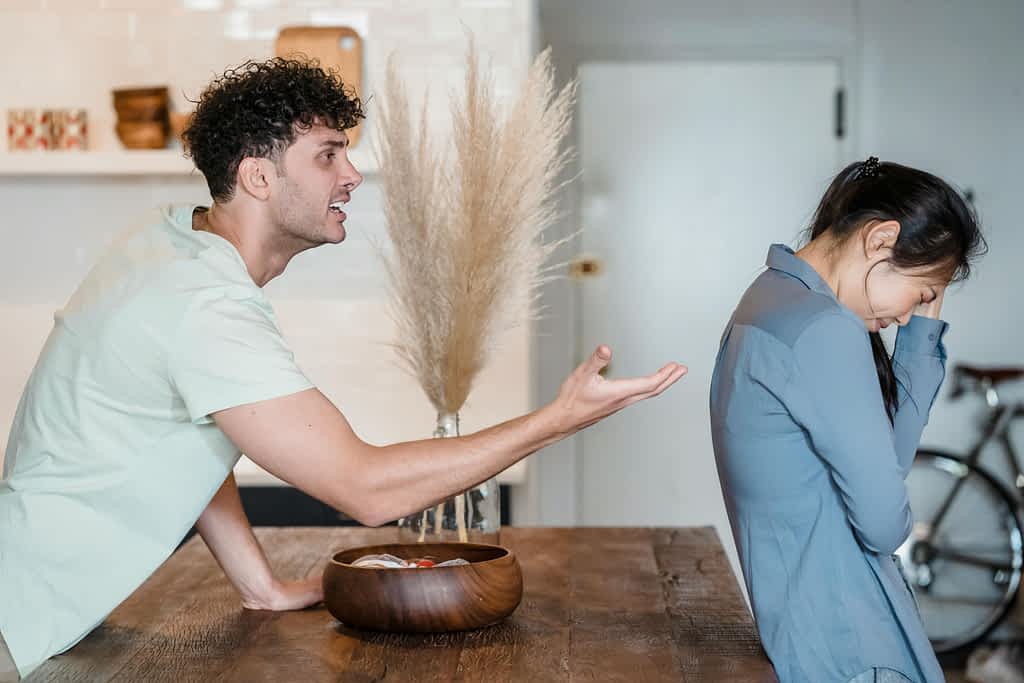
I once knew someone who could turn any conversation into chaos. One minute, we’d be talking about dinner plans. The next, they’d be screaming about something I said three weeks ago.
I’d stand there, confused, trying to piece together what just happened. The whiplash was physically and emotionally exhausting.
That’s the thing about immature emotional behavior. It doesn’t follow logic. You can’t predict it. You’re constantly walking on eggshells, adjusting your words, your tone, your entire presence just to keep the peace. And when things explode anyway, you’re left wondering what you did wrong.
The truth is, you didn’t do anything wrong. People without emotional regulation can’t handle their own feelings, so they make those feelings your problem. They lash out. They blame. They punish you for emotions they don’t know how to process.
That’s when emotional immaturity stops being just annoying and starts becoming abusive.
When Feelings Become Weapons
Abusive relationships don’t always start with violence. Sometimes they start with someone who can’t handle being told no. Someone who pouts when they don’t get their way. Someone who gives you the silent treatment for days because you went out with friends.
At first, you might excuse it. They had a hard childhood. They’re stressed at work. They don’t mean it. You tell yourself they just need time to grow up.
Here’s what I learned the hard way: emotional immaturity doesn’t excuse harm. Someone can be genuinely struggling with their feelings and still hurt you deeply. Those two things can exist at the same time.
The lack of emotional regulation becomes a pattern. They can’t sit with discomfort, so they create chaos. They can’t take responsibility, so they twist the story until you’re the villain. They can’t handle vulnerability, so they mock yours until you stop sharing altogether.
You start shrinking. You stop bringing up problems because it’s not worth the explosion. You apologize for things that aren’t your fault just to make it stop. You become smaller and quieter, and they stay exactly the same.
The Apology That Never Comes
I remember waiting for an apology that never came. Not a real one, anyway. I’d get “I’m sorry you felt that way” or “I’m sorry, but you made me so angry.” Those aren’t apologies. They’re blame in disguise.
Real accountability requires emotional maturity. It requires someone to sit with the uncomfortable truth that they hurt you, even if they didn’t mean to. It requires them to change.
People stuck in immature emotional behavior can’t do that. They’re too busy protecting themselves from feeling bad to care about how you feel. Every conversation about your pain becomes about their defensiveness. You end up comforting them for hurting you.
That’s a prison with nice furniture – not a partnership .
The Confusion That Keeps You Stuck
Unhealthy relationships built on emotional immaturity mess with your head in ways that are hard to explain. You have good days, even good weeks, and you think maybe things are changing. Maybe they’re finally growing up.
Then something small happens. You’re five minutes late. You mention something they don’t like. You have a bad day yourself. And suddenly, you’re back in the storm, wondering how you got here again.
The inconsistency is intentional, even if they don’t realize it. It keeps you hoping. It keeps you trying. It keeps you believing that if you just love them hard enough, patient enough, perfect enough, they’ll become the person they are on their best days.
I spent years trying to earn someone’s emotional stability. I changed everything about myself, thinking I was the problem. I wasn’t. Neither are you.
When Love Isn’t Enough
There’s a moment in these relationships when you realize love isn’t fixing anything. You can care about someone deeply and still need to leave. You can understand why they are the way they are and still refuse to accept how they treat you.
Emotional immaturity and abusive relationships often overlap because abuse isn’t always about intentional cruelty. Sometimes it’s about someone so trapped in their own emotional chaos that they can’t see the damage they’re causing. They’re drowning, and they’re pulling you under with them.
You might think you’re helping them by staying. You’re not. You’re teaching them that their behavior has no consequences. You’re showing them that love means tolerating harm.
And more importantly, you’re losing yourself in the process.
What It Looks Like When You Finally Leave
Walking away from someone who hasn’t learned emotional regulation feels cruel. They’ll tell you you’re abandoning them. They’ll promise to change this time, really change. They might cry. They might rage. They might do both in the same conversation.
You’ll feel guilty. You’ll second-guess yourself. You’ll wonder if you gave up too soon, tried too little, expected too much.
But then, slowly, something shifts. You stop bracing for explosions that never come. You have conversations that don’t end in accusations. You realize how exhausting it was, constantly managing someone else’s emotions while your own went ignored.
You remember what peace feels like.
The Growth That Happens Without You
Here’s something that used to keep me up at night: wondering if they’d change for someone else. Wondering if I was the problem all along, if the next person would get the version of them I always hoped for.
Maybe they will change. Some people hit rock bottom and finally do the work. They learn emotional regulation. They go to therapy. They grow up.
That’s their journey, not yours. You don’t have to stay in unhealthy relationships hoping to witness their transformation. You don’t owe anyone your mental health while they figure themselves out.
Sometimes the kindest thing you can do, for both of you, is leave.
The Pattern You Can’t Unsee
Once you recognize immature emotional behavior in one relationship, you start seeing it everywhere. The friend who sulks when you can’t drop everything for them. The family member who explodes over minor inconveniences. The coworker who makes every problem about their feelings.
You get better at spotting it early. You learn what emotional maturity actually looks like: someone who can hear feedback without falling apart, who apologizes without making excuses, who handles disappointment without punishing you for it.
You realize how much you’ve tolerated that you never should have. How many times you smoothed things over, made yourself small, took the blame for keeping the peace.
You stop doing that.
What You Deserve Instead
This isn’t asking for perfection. Everyone struggles sometimes. Everyone has bad days. The difference is how they handle it. Do they lash out, or do they take space to calm down? Do they blame you, or do they take responsibility? Do they promise to change and then repeat the same patterns, or do they actually put in the work?
Those differences matter. They’re the difference between emotional immaturity and emotional abuse. They’re the difference between a relationship that’s hard sometimes and one that’s slowly destroying you.
The Future You’re Building
Leaving unhealthy relationships rooted in emotional immaturity doesn’t guarantee you’ll never get hurt again. You might still choose wrong sometimes. You might still give people too many chances.
But you’ll know what you’re looking for now. You’ll know what healthy feels like. You’ll recognize the red flags faster and trust yourself enough to walk away sooner.
You’ll build a life where you’re not constantly bracing for the next emotional explosion. Where your feelings matter as much as anyone else’s. Where love doesn’t require you to disappear.
That life is waiting for you. It’s quieter than the chaos you’ve known. It’s gentler. It’s real.
It starts the moment you decide you deserve better.
This post may contain affiliate links. I earn from qualifying Amazon purchases at no extra cost to you. This content is for informational purposes only and is not a substitute for professional advice. Read full disclaimer.
Thank you for reading this post, don't forget to subscribe!