

You Keep Losing Your Cool Over Small Things. Here’s What Changed for Me.
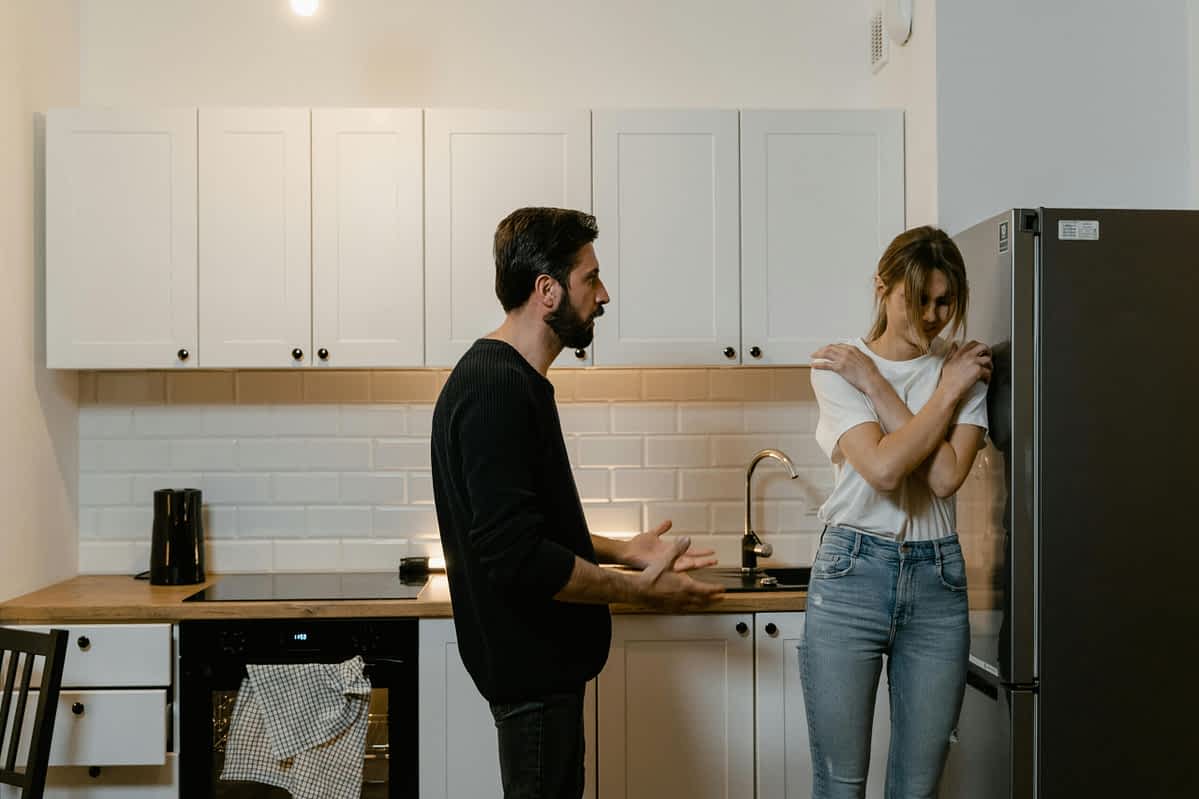
I snapped at my partner over a dish left in the sink. Not just a quick comment, a full-blown reaction that left both of us standing in the kitchen wondering what just happened. The dish wasn’t the problem. I was emotionally reactive, and I didn’t even see it coming.
You’ve probably been there too. Someone says something harmless, and suddenly you’re flooded with anger or hurt that feels way too big for the moment. Your heart races. Your voice gets sharp. Later, you replay it in your head and think, “Why did I react like that?”
Being emotionally reactive doesn’t mean you’re broken or dramatic. Your nervous system is on high alert, treating minor frustrations like major threats. The good news is you can learn to stop losing your cool before it takes over.
What It Actually Means to Be Emotionally Reactive
Emotional reactivity is when your feelings hijack your responses before your brain catches up. Something small happens, a comment, a look, a change in plans, and your body reacts like it’s under attack. You say things you don’t mean. You escalate situations that didn’t need to become conflicts.
This isn’t about having emotions. Everyone has those. This is emotions controlling you in ways that damage your relationships and leave you feeling exhausted.
Think about the last time you overreacted. Was it really about what happened in that moment? Or was it piled on top of something else, stress from work, old wounds, fears you haven’t named yet?
Why You’re Dealing With Emotional Triggers More Than You Realize
Your triggers aren’t random. They’re connected to patterns, usually ones that started long before your current relationship or situation.
Maybe you grew up in a home where conflict meant chaos. Now, any disagreement feels dangerous, so you either explode or shut down. Maybe you learned that your needs didn’t matter, so when someone dismisses you now, even accidentally, it feels like proof that you’re not worth listening to.
I didn’t realize I was carrying those patterns until I started paying attention to what set me off. The times I snapped weren’t about the present moment. They were about old pain getting triggered by something that looked familiar.
Your body remembers what your mind tries to forget. When something in your current life echoes a past hurt, your nervous system reacts like it’s happening all over again. That’s why stopping emotional reactivity requires more than just “calming down.” You have to understand what’s actually being triggered.
The Real Reason You Can’t Stop Emotional Outbursts in the Moment
When you’re flooded, the logical part of your brain goes offline. You’re running on pure survival mode. That’s why telling yourself to “just relax” doesn’t work. Your body thinks it’s protecting you.
Emotional flooding happens when your stress response takes over. Your heart rate spikes, your thoughts race, and you lose access to the part of your brain that handles perspective and problem-solving. In that state, you’re not capable of having a calm conversation or making a rational decision.
I used to think I just needed more self-control. Turns out, I needed to recognize the signs before I reached that point. Once you’re flooded, it’s too late. The key is catching yourself earlier.
How to Stop Losing Your Cool Before It Starts
Stop emotional reactivity by building awareness between the trigger and your response. That gap is where change happens.
Start noticing your body’s early warning signs. Does your chest tighten? Do your hands clench? Does your breathing get shallow? These physical cues show up before the explosion. When you catch them early, you have a chance to interrupt the pattern.
I started pausing when I felt that tightness in my chest. Just a few seconds. Long enough to ask myself, “What am I actually reacting to right now?” Sometimes the answer surprised me. The anger wasn’t about my partner forgetting to call. It was about feeling unimportant, a fear that went way back.
Create a simple grounding practice you can use in those moments. Take three deep breaths. Step outside for a minute. Splash cold water on your face. These aren’t just clichés. They’re ways to signal your nervous system that you’re safe, which helps bring your logical brain back online.
Name What’s Really Happening
When you feel that surge of emotion, try naming it out loud or in your head. “I’m feeling angry right now.” “I’m scared this means something bigger.” “I feel dismissed.”
Naming the emotion creates distance. You’re observing it instead of being consumed by it. That small shift gives you more control over what happens next.
I started saying, “I’m feeling triggered,” to my partner when I noticed myself getting reactive. It wasn’t an excuse. It was a way of taking responsibility and letting them know I needed a minute before we continued the conversation.
You can also name what you’re afraid of. Often, emotional outbursts are covering up deeper fears. Fear of abandonment. Fear of not being good enough. Fear of losing control. When you identify the fear underneath the anger, the anger loses some of its power.

Stop Trying to Control Everything
One of the biggest reasons people stay emotionally reactive is because they’re trying to control outcomes they can’t actually control. You can’t control how someone else responds. You can’t control whether people meet your expectations. You can only control how you show up.
I spent years trying to manage other people’s reactions, thinking that if I could just explain myself better or anticipate their needs, I could avoid conflict. All it did was make me more anxious and more reactive when things didn’t go as planned.
Letting go of that need for control was hard. I had to accept that people will disappoint me sometimes. They’ll misunderstand me. They’ll make choices I don’t like. My job isn’t to prevent those things. My job is to handle my own emotions when they happen.
Give Yourself Permission to Take Space
You don’t have to respond immediately to everything. If you feel yourself getting heated, it’s okay to say, “I need a few minutes before we talk about this.”
Taking space isn’t avoidance. It’s self-regulation. It’s recognizing that you’re not in a good state to have a productive conversation right now, and choosing to come back when you’re calmer.
I used to think walking away meant I was weak or running from conflict. Now I see it as one of the strongest things I can do. It protects both me and the other person from words spoken in the heat of the moment that can’t be taken back.
Practice When You’re Calm
You can’t learn to stop being emotionally reactive in the middle of a crisis. You build that skill during the calm moments.
Spend time reflecting on your patterns. What situations tend to set you off? What feelings come up right before you lose your cool? What stories are you telling yourself in those moments?
I started journaling about my reactions after they happened. Not to beat myself up, but to look for patterns. I noticed I was most reactive when I felt overlooked or when plans changed suddenly. Knowing that helped me prepare differently when those situations came up.
You can also work on regulating your nervous system in general. Regular exercise, good sleep, mindfulness practices, these aren’t luxuries. They’re tools that help you stay more balanced so you’re less likely to get triggered in the first place.
Repair When You Mess Up
You will still lose your cool sometimes. You’ll say something reactive. You’ll escalate when you didn’t mean to. That’s part of being human.
What matters is what you do next. Apologize when you overreact. Own it without making excuses. “I’m sorry I snapped at you. That wasn’t fair. I was dealing with some stress and I took it out on you.”
Repair builds trust. It shows the people around you that you’re working on this, and that they’re not responsible for managing your emotions.
I’ve had to apologize more times than I can count. Each time, it got a little easier. Each time, it reminded me that messing up doesn’t define me. How I handle it does.
The Truth About Dealing With Emotional Triggers
You’re not going to eliminate triggers completely. Life will keep presenting situations that push your buttons. The goal isn’t to become emotionless or unaffected. The goal is to stop letting those triggers run the show.
Control emotional outbursts by building the space between what happens and how you respond. That space is where your power lives. It’s where you get to decide who you want to be in that moment instead of being hijacked by old patterns and fears.
I still get triggered sometimes. The difference now is I catch it earlier. I take responsibility for it. I don’t let it destroy my relationships or leave me drowning in regret.
You can do this too. Start small. Notice your body. Name your feelings. Take space when you need it. Be patient with yourself. Change doesn’t happen overnight, but it does happen.
You’re not too sensitive. You’re not broken. You’re learning to stop emotional reactivity, and that’s one of the most important skills you’ll ever build.
Thank you for reading this post, don't forget to subscribe!