

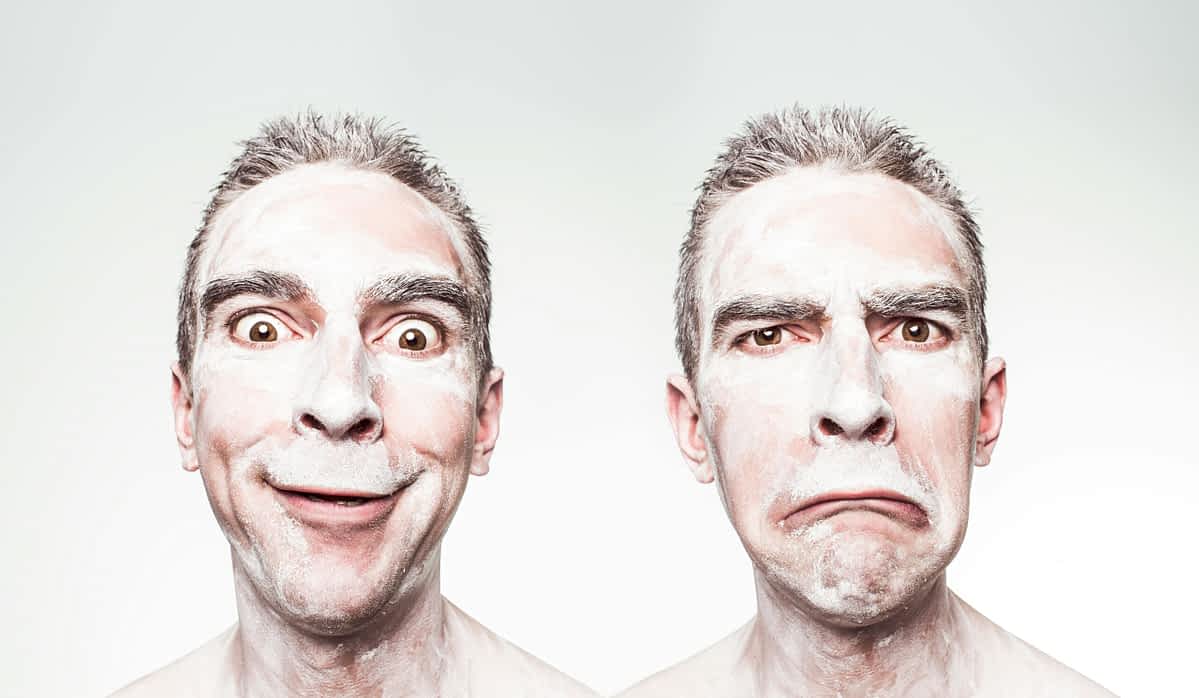
He Seemed Perfect. Turns Out, He Was a Psychopath
There’s this moment I remember clearly. I was sitting on the edge of my bed, phone in hand, reading the same text over and over. It was kind, almost sweet. Yet something about it made my stomach turn.
I couldn’t explain it then. How someone’s words could sound right while everything inside me screamed wrong.
That’s the thing about certain relationships. They don’t always announce themselves as dangerous. Sometimes they walk in wearing the face you’ve been waiting for. They say the things you needed to hear. They make you feel seen in ways you didn’t know you were invisible.
Then slowly, so slowly you almost miss it, something shifts.
The Person You Thought You Knew
I had someone in my life once who felt permanent. You know the type. The one who showed up when it mattered, who remembered small details, who made you believe you’d finally found your person.
We’d talk for hours. Make plans that stretched into years. I thought I knew them.
Then the cracks started showing. Small at first. A story that didn’t quite add up. A reaction that felt hollow. The way they’d look at me when I cried, not with concern, more like they were studying me.
One night, I told them something that gutted me to say out loud. Something I’d never shared with anyone. I watched their face, waiting for… something. Anything.
They smiled. Changed the subject. Asked if I wanted to order takeout.
That’s when I started to wonder: was I alone this whole time?

When Charm Becomes a Weapon
There’s a particular kind of person who doesn’t just enter your life. They perform it. Every word feels scripted for maximum impact. Every gesture lands with precision.
In the beginning, this feels like magic. You’re the center of their world. They text you constantly. They mirror your values, your humor, even the way you speak. It’s intoxicating.
Then the script changes. Slowly. So slowly you can’t pinpoint when.
Suddenly you’re the one who’s too sensitive. Too needy. Too dramatic. The same emotions they once cherished become weapons they use against you. You start editing yourself, shrinking, trying to find the version of you they liked at the start.
Here’s what took me too long to understand: some people don’t connect. They collect. They don’t love. They play.
The question that kept me up at night wasn’t “why did they change?” It was something darker: what if they never changed at all? What if this was always who they were, and I just couldn’t see it through the fog of their performance?
The Emptiness Behind the Eyes
Have you ever looked at someone you thought you knew and suddenly felt like you were staring at a stranger?
There’s something unsettling about realizing the person sitting across from you doesn’t experience emotions the way you do. They perform them. They’ve learned which face to wear for sympathy, which tone to use for anger, which words to say when you’re breaking.
They’ve studied you like a language they needed to learn.
Real empathy happens without effort. It’s the friend who tears up when you tell them your dog died, even though they never met him. It’s the partner who notices you’re quiet and asks if you’re okay, not because they read it in a relationship book, somewhere but because they genuinely care.
When you’re with someone who lacks that core, you start to feel it in your body. Conversations feel performative. Apologies sound rehearsed. Even “I love you” starts to ring hollow, like someone reading lines from a play they don’t fully understand.
You’ll find yourself explaining basic human reactions to them. Why your feelings matter. Why betrayal hurts. Why trust, once broken, doesn’t just snap back into place.
The exhaustion of teaching someone how to care is a special kind of lonely.
The Patterns You Can’t Unsee
Once you notice the first crack, you start seeing them everywhere.
It’s in the way they rewrite history. How they swear they never said something you distinctly remember. The casual way they lie about small things, things they don’t even need to lie about.
It’s how they can hurt you deeply, watch you cry, and then get annoyed that you’re upset. How quickly they move on while you’re still trying to figure out what happened.
You start recognizing their tactics. The love bombing that hooks you. The slow withdrawal of affection that keeps you chasing. The way they twist your words until you’re apologizing for things you didn’t do.
There’s a term for this kind of pattern, for these specific traits that cluster together. Learning about it felt like someone finally turned on the lights in a room I’d been stumbling through in the dark.
I’m not here to diagnose anyone. That’s not my place, and it’s probably not yours either. What I will say is this: patterns matter. When someone consistently shows you who they are through their actions, especially when those actions leave you feeling smaller, confused, and questioning your own reality, pay attention.
What Nobody Tells You About Leaving
Getting out is hard enough. What comes after is harder.
The confusion doesn’t just end when the relationship does. It lives in your nervous system. You jump at texts. You overanalyze every new person you meet. You find yourself apologizing for things that don’t require apologies, bracing for reactions that don’t come.
You grieve, twice over. Once for the relationship you thought you had. Again for the person you were before it all started.
Some nights you’ll feel angry. Furious at them for the lies, at yourself for believing. Other nights you’ll just feel sad, mourning something that maybe never existed in the first place.
Healing from this kind of relationship isn’t like healing from a normal breakup. It’s rebuilding your ability to trust, not just in others, in yourself. In your judgment. In your gut.
That voice that tried to warn you? The one you ignored because their charm was so bright it blinded you? That voice needs to know you’re listening now.
Your Gut Was Right All Along
There’s something powerful about naming what happened to you. Not to villainize someone or play victim, to understand. To make sense of the chaos. To stop blaming yourself for something that was never your fault.
You weren’t stupid for believing them. You weren’t weak for staying. You were human. You loved someone. You gave them the benefit of the doubt. You tried.
Those are good qualities. They don’t make you gullible. They make you capable of connection, something the person who hurt you could only ever fake.
If you’ve felt any of this, if any part of this story sounds familiar, I want you to know something: you’re not imagining it. Your confusion is valid. Your pain is real. The feeling that something was deeply, fundamentally wrong? That wasn’t paranoia. That was clarity trying to break through.
The Questions That Keep You Up
How long were they pretending? Was any of it real? Did they ever actually love me? Will I ever stop analyzing every relationship through this lens?
These questions don’t always get answers. Sometimes the not knowing is part of the wound.
What helped me wasn’t getting closure from them. It was giving it to myself. Accepting that some people move through the world differently than I do. That not everyone who says “I love you” means it the way I mean it.
Some people see relationships as transactions. As games to win. As stages to perform on.
You can’t change that. You can only decide you’re done being part of their audience.
Learning to Trust the Unease
These days, I pay attention to different things. Not just what someone says, how they make me feel over time. Not in the honeymoon phase, everyone’s charming then. Three months in. Six months in. A year in.
Do I still feel safe? Do I still feel seen? Or do I feel like I’m constantly performing, constantly proving, constantly walking on eggshells?
I’ve learned that unease is data. That sinking feeling in your stomach isn’t something to rationalize away. It’s your body trying to protect you.
When someone makes you question your own reality, when their version of events never quite matches yours, when you find yourself defending them to your friends more than you’re actually enjoying time with them, those are signals. Loud ones.
You don’t need a diagnosis or a psychology degree to know when something feels wrong. You just need to be brave enough to listen.
A Final Thought
There are some experiences that fundamentally change you. Relationships that crack you open and force you to rebuild from the ground up.
If you’ve been through this, if you’re still piecing yourself back together, I see you. The way you loved wasn’t the problem. The way they couldn’t was.
You’re not damaged. You’re not broken. You’re waking up. That awareness, painful as it is, is the first step toward something better. Something real.
This post may contain affiliate links. I earn from qualifying Amazon purchases at no extra cost to you. This content is for informational purposes only and is not a substitute for professional advice. Read full disclaimer.
Thank you for reading this post, don't forget to subscribe!