


What Narcissistic Control Actually Looks Like (And Why You Didn’t See It Coming)
I’ve had nights when I’ve replayed a conversation over and over, trying to pinpoint the exact moment things shifted.
You’re sitting across from someone who claims they love you, yet somehow you feel smaller every time you leave the room.
The words sound supportive. The gestures look caring. So why does your gut keep whispering that something’s wrong?
Narcissistic control is deceptive like that. It doesn’t show up with obvious red flags or dramatic confrontations. Instead, it weaves itself into the fabric of your relationship so subtly that by the time you recognize what’s happening, you’re already tangled up in it.
Maybe it started with the way they made you feel special. The attention was intoxicating. They seemed to understand you in ways no one else did.
Then, bit by bit, that same attention became conditional. You started walking on eggshells without realizing when the ground beneath you turned fragile.
How Narcissistic Controlling Behavior Stays Hidden
Narcissistic controlling behavior operates in the shadows. These patterns exist to keep you off balance, second-guessing yourself, and feeling like you’re always one misstep away from disappointing them.
The cruelest part is how they make you believe you’re the problem.
You probably didn’t notice when they started pulling you away from your friends. It happened gradually.
A comment here about how your best friend isn’t really good for you. A guilt trip there about spending time with family instead of them.
Before long, the people who used to ground you feel miles away, and you’re left with only one voice telling you who you are.
This kind of isolation is classic narcissistic control. When you’re cut off from your support system, you have no one to reality-check what’s happening. No one to remind you that the way you’re being treated isn’t normal. You become dependent on the narcissist for validation, approval, and even your sense of identity.
The Psychological Damage of Narcissistic Control
Here’s what makes narcissistic controlling behavior so insidious: it messes with your head in ways that last long after the relationship ends.
Your confidence erodes. Your ability to trust your own judgment crumbles. You start questioning things you were once certain about because they’ve spent months or years convincing you that your perceptions are flawed.
The psychological toll runs deep. Anxiety becomes your constant companion. You’re always bracing for the next twist, the next emotional ambush. Depression settles in when you realize you can’t seem to fix things no matter how hard you try.
Some survivors of narcissistic control even develop PTSD from the relentless manipulation and emotional abuse.
What Narcissistic Control Looks Like in Everyday Life
So what does this actually look like in real life?
It’s the partner who drowns you in affection for weeks, then suddenly goes cold without explanation. You panic. You scramble to figure out what you did wrong.
That’s love-bombing followed by the silent treatment, two hallmarks of narcissistic control designed to keep you desperate for their attention.
It’s the coworker who takes credit for your ideas in meetings while smiling warmly at you afterward. When you bring it up, they act confused, maybe even hurt that you’d accuse them of such a thing.
You walk away feeling like you imagined the whole thing. That’s narcissistic controlling behavior at work, stealing your accomplishments while making you doubt your own reality.
It’s the friend who constantly compares you to other people in your circle, always finding ways to make you feel less talented, less attractive, less worthy. They frame it as honesty or concern, so you swallow the hurt and try harder to measure up.
That’s triangulation, a tactic narcissists use to keep you competing for approval that will never fully come.
It’s the parent who “forgets” every promise they made but remembers every mistake you’ve ever committed. When you call them on it, they accuse you of being ungrateful or too sensitive.
Suddenly you’re apologizing for even bringing it up. That’s projection combined with selective amnesia, both cornerstones of narcissistic control.
When Narcissistic Controlling Behavior Gets Darker
Sometimes narcissistic controlling behavior shows up through money. Your partner insists on managing all the finances “to make things easier.”
You have no access to accounts, no say in spending decisions. You’re financially trapped, and leaving feels impossible because you have nothing of your own.
Other times it’s emotional manipulation. They cry on cue when you try to set a boundary. They threaten to hurt themselves if you don’t comply with their demands.
The message is clear: your needs don’t matter, only theirs do.
Then there’s hoovering, that moment when they sense you’re pulling away and suddenly become the person you fell for in the first place.
The apologies flow. The promises sound genuine. They swear things will be different. You want so badly to believe them that you ignore the pattern repeating itself for the tenth time. Narcissistic control thrives on this cycle, keeping you hopeful just long enough to reel you back in.

Why Smart People Fall for It
You might be wondering how you got here. How someone so smart, so capable, could end up feeling powerless in their own life.
Here’s the God’s honest truth: narcissistic controlling behavior isn’t about you being weak or naive, but someone deliberately using psychological tactics to gain power over you.
They’re skilled at this. They’ve probably done it before. They know exactly which buttons to push and when.
Recognizing narcissistic control is the first step toward breaking free. Once you see the patterns clearly, they lose some of their power. You start noticing when they’re twisting your words. You catch the guilt trips before they sink in. You realize that the version of yourself you’ve become isn’t who you really are; it’s who they’ve shaped you into.
Breaking Free
Breaking free from narcissistic control takes more than just awareness, though. It requires setting boundaries and actually enforcing them, even when it feels uncomfortable.
It means reaching back out to the people you’ve been avoiding and letting them support you. It involves trusting your instincts again, remembering that the voice inside your head isn’t always wrong.
You’ll need distance. Real physical and emotional space from the person who’s been pulling the strings. Their control weakens when you’re not in constant contact, when you have room to think clearly without their influence clouding every thought.
Therapy helps. A good therapist who understands narcissistic controlling behavior can give you tools to process what happened and rebuild your sense of self. They can help you see the tactics for what they were and remind you that none of it was your fault.
Self-care isn’t just bubble baths and face masks, though those things are nice. It’s doing the hard work of reconnecting with who you were before this person entered your life. It’s picking up old hobbies, spending time with people who actually see you, and slowly remembering what it feels like to make decisions without fear.
The Road to Healing After Narcissistic Control
Healing from narcissistic control takes time. Some days you’ll feel strong and clear-headed. Other days you’ll second-guess everything again. That’s normal. You’re undoing months or years of conditioning, and that doesn’t happen overnight.
The good news is you’re not broken. You’ve been manipulated by someone who made a calculated choice to prioritize their needs over your wellbeing. That’s on them, not you.
A narcissist’s controlling behavior thrives in silence and isolation. The more you talk about it, the more you educate yourself on the patterns, the harder it becomes for narcissists to maintain their grip.
Share your story when you’re ready. Connect with others who’ve walked this path. You’ll be amazed how many people understand exactly what you’ve been through.
Life After Narcissistic Controlling Behavior
There’s life after narcissistic control. A life where you make decisions without second-guessing yourself into paralysis. Where you laugh freely without checking to see if it’s allowed. Where relationships feel reciprocal instead of transactional.
You can get there. One boundary at a time.
The person you were before narcissistic controlling behavior took hold is still in there, just waiting for you to clear away the debris and let them breathe again.
Before You Go…
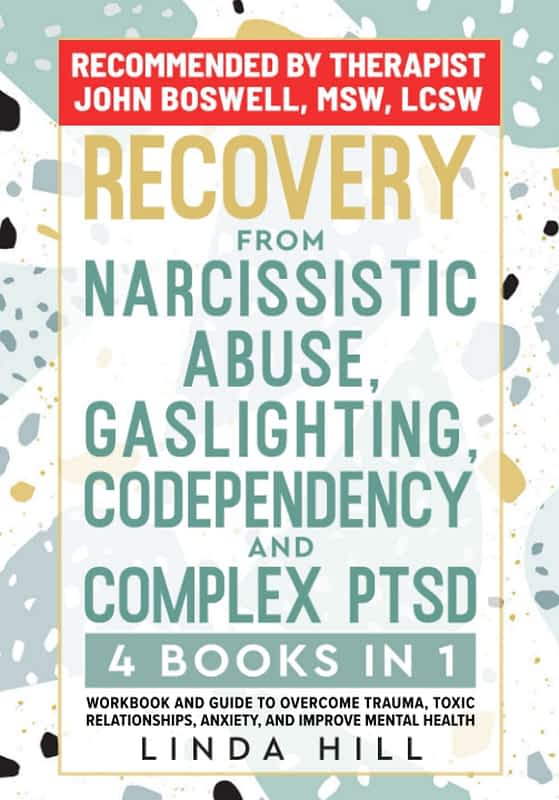
If you are looking for more in depth guidance on narcissstic control, this book comes highly recommended: Recovery from Narcissistic Abuse, Gaslighting, Codependency and Complex PTSD (4 Books in 1)
This comprehensive guide offers a holistic approach to understanding and healing from narcissistic abuse, gaslighting, codependency, and complex PTSD.
Through four distinct books, readers learn to identify manipulation tactics, recognize unhealthy relationship dynamics, and develop strategies for recovery. Each book provides practical exercises, real-world scenarios, and valuable insights to empower individuals to break free from toxic patterns and cultivate healthier relationships.
Whether it’s learning about different types of narcissists or understanding the complexities of PTSD, this therapist-recommended resource equips readers with the tools and knowledge needed to embark on a journey of healing and self-discovery.
Recognizing the problem is the first step, and this guide offers a roadmap for taking action and reclaiming one’s life.
This post may contain affiliate links. I earn from qualifying Amazon purchases at no extra cost to you. This content is for informational purposes only and is not a substitute for professional advice. Read full disclaimer.
Thank you for reading this post, don't forget to subscribe!