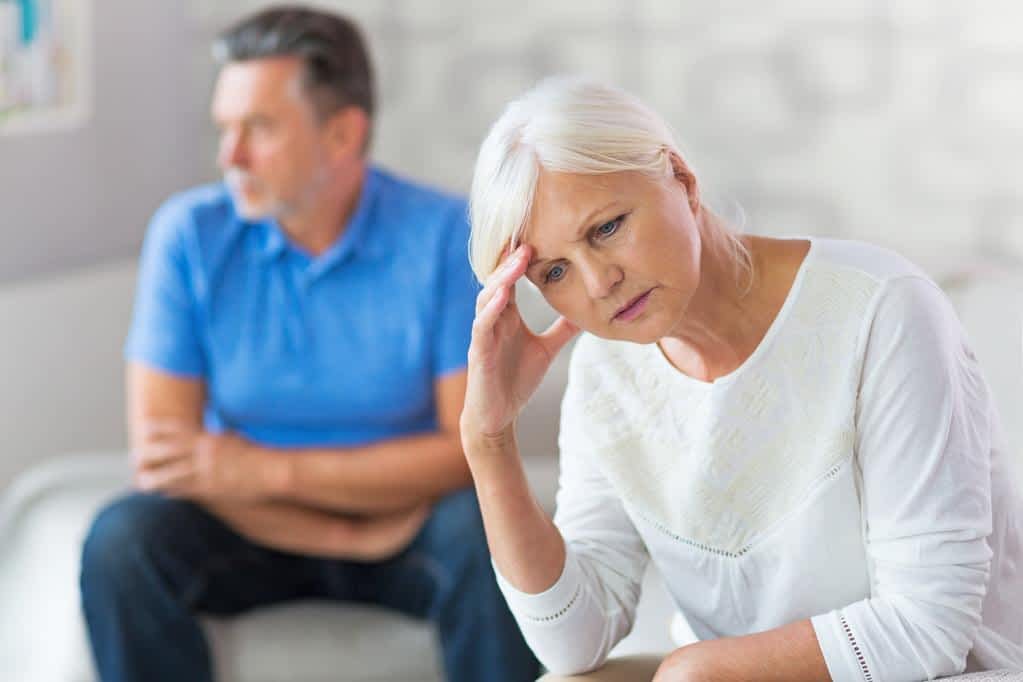


Gray Divorce Breaks Your Heart in Ways You Never Saw Coming
Most of us have seen marriages that end quietly with zero drama. Just two people who wake up one day and realize they’ve been living separate lives under the same roof for years.
When couples over 50 decide to split after decades together, the world often sees it as a practical decision. A calm, mature separation between two adults who’ve simply grown apart.
I wish it were that simple.
My neighbor Linda told me something last spring that I haven’t been able to shake. She was 58 when she filed for divorce after 34 years of marriage. Everyone kept telling her how brave she was, how empowering it must feel to start fresh. She smiled and nodded at all of them.
Then one night, she sat on my porch and said, “I don’t know who I am anymore. I’ve been someone’s wife longer than I was ever just me.”
The Emotional Toll of Gray Divorce Hits Differently
The emotional toll of gray divorce isn’t what people expect. You’d think that at 50 or 60 or 70, you’d have the wisdom and emotional maturity to handle a breakup better than you did at 25. You’d think decades of life experience would cushion the blow.
It doesn’t work that way.
The heartbreak in gray divorce comes with layers that younger divorces don’t carry. You’re not just losing a spouse. You’re losing the person who knew you before your hair went gray, before your kids were born, before you became whoever you are now. You’re losing your witness to your own life.
When Grief Gets Buried Under Self-Discovery
There’s an emotional pitfall that creeps in during those first months after separation. I’ve seen it happen again and again. People throw themselves into “rediscovering” who they are, but they skip right over the grieving part. They book trips, join dating apps, take up hobbies they abandoned 30 years ago.
Then three months in, it all crashes down.
Because you can’t outrun grief. You can’t Instagram your way past the fact that the person you planned to grow old with is now someone you coordinate schedules with to see the grandkids.
Linda eventually told me about the small things that wrecked her. Making coffee for one. Watching TV shows alone. Realizing she didn’t know how to introduce herself at parties anymore without mentioning her ex-husband.
“I was always ‘Linda and Tom,'” she said. “Now I’m just Linda. And I’m not even sure who that is.”
Adult Children Feel the Earthquake Too
Another emotional pitfall sneaks up when adult children get involved. People assume that because your kids are grown, the divorce won’t affect them the same way it would if they were little. They’re wrong.
Your 35-year-old daughter still has to process that Mom and Dad won’t be at Thanksgiving together anymore. Your son still has to choose which parent to spend Christmas with. The family home they grew up in gets sold. Their anchor disappears.
I’ve watched friends navigate this, and the guilt they carry is crushing. They spent decades staying together “for the kids,” and now that the kids are grown, they finally choose themselves.
Then they watch their adult children struggle, and the guilt whispers that maybe they should have stayed just a little longer.
The Loneliness Looks Different at 60
Here’s what I’ve learned watching people go through gray divorce: the loneliness is different. When you’re younger and newly single, you’re surrounded by other single people. You go out. You date. You have friends in the same boat.
At 60, most of your friends are still married. They invite you to couples’ dinners out of pity, and you feel like the odd one out. Or they stop inviting you altogether because you don’t “fit” anymore.
You become a reminder that marriage isn’t guaranteed, and people don’t like being reminded of that.

Money Worries Multiply the Heartbreak in Gray Divorce
The financial stress compounds everything. You’re supposed to be thinking about retirement, maybe downsizing to a cozy place where you can finally relax. Instead, you’re splitting assets, figuring out how to maintain two households on what used to fund one, and realizing your retirement plans just got cut in half.
Money stress and emotional stress feed each other. You lie awake at 3 a.m. wondering if you can afford to keep the house, if you’ll have enough to retire on, if you made a terrible mistake leaving. The what-ifs multiply in the dark.
Dating Again Feels Impossible
There’s also an emotional pitfall around dating that few people discuss. After 30 or 40 years with one person, the idea of being vulnerable with someone new feels impossible. Your body is different. Your confidence is shaky. The dating world has completely changed since the last time you were in it.
Some people rush into new relationships to avoid feeling alone. Others shut down completely, convinced they’re too old or too damaged to start over.
Neither extreme works.
Tom, Linda’s ex-husband, started dating someone six months after their divorce was final. Linda called me crying, saying she felt replaced. Erased. Like their entire marriage meant nothing if he could move on that fast.
I didn’t know what to tell her. How do you explain that someone else’s healing timeline doesn’t invalidate your own pain?
Rebuilding Your Identity When You Thought You Were Done
The truth about gray divorce is that it asks you to rebuild your entire identity at an age when you thought you were done with that kind of heavy lifting. You thought you’d figured out who you were. You thought the hard parts of life were behind you.
Then you’re 62 years old, sitting in a half-empty apartment, trying to remember what you liked to do before your life became so intertwined with someone else’s that you forgot where you ended and they began.
Linda is doing better now. It took two years, but she’s starting to find herself again. She joined a book club. Started painting. Made a few new friends who never knew her as half of a couple.
She told me recently that she doesn’t regret leaving, even though it was harder than anything she’d ever done.
“I just wish someone had told me it would hurt this much,” she said. “Everyone talks about freedom and new beginnings, but nobody mentions that you have to fall apart first.”
The Emotional Pitfalls Are Real, and So Is Healing
That’s the part worth knowing. Gray divorce isn’t just a legal process or a lifestyle change. It’s an emotional earthquake that shakes everything you thought was solid.
You will fall apart. You will question everything. You will have moments where you wonder if you made the right choice.
Those moments don’t mean you failed. They mean you’re human, and you’re grieving something real.
The emotional pitfalls are real, but so is the possibility of coming out the other side as someone you actually recognize. Someone who isn’t defined by a marriage that stopped working years ago.
It just takes longer than anyone wants to admit. And it hurts more than anyone wants to say out loud.
Thank you for reading this post, don't forget to subscribe!