


Body Language of Rejection: 6 Physical Signs You Can’t Fake
I watched my friend Julia cancel plans with her boyfriend for the third week in a row. She had excuses ready: work stress, a headache, her dog needed attention. All valid reasons on the surface. Then she mentioned something that made me pause. “I feel exhausted just thinking about seeing him,” she said. Not angry or even sad – just tired in her bones.
That’s when I realized her body had already made a decision her mind was still wrestling with.
We spend so much time analyzing our relationships in our heads. Do we have enough in common? Are they treating us right? Is this going somewhere? Meanwhile, our bodies are having an entirely different conversation. They’re tracking patterns we haven’t consciously noticed yet. They’re responding to subtle shifts in energy, tone, and presence that our rational minds might explain away.
Sometimes the clues you are physically rejecting someone show up in ways that seem completely unrelated to the relationship itself.
The Gut Knows First
Your digestive system is surprisingly honest about your emotional state. When someone’s name appears on your phone, does your stomach clench? Not butterflies. That anxious, heavy feeling that settles right below your ribs.
I used to get terrible stomach aches before dates with someone I was trying to convince myself I liked. I blamed it on bad lunch choices or general anxiety. Turns out my gut was trying to tell me something I didn’t want to hear. The body is rejecting someone it doesn’t feel safe with, even when that person hasn’t done anything obviously wrong.
You might notice you’re suddenly dealing with digestive issues that weren’t there before. Or you’ve lost your appetite around them when you used to enjoy meals together. These aren’t coincidences.
Physical Distance You Don’t Mean to Create
Watch what happens when they reach for your hand. Do you instinctively pull back, even slightly? Do you angle your body away during conversations?
I knew someone who kept putting her purse between herself and her partner when they sat together. She didn’t realize she was doing it until her sister pointed it out. She was literally creating a barrier.
The same thing happens with hugs that feel stiff, kisses that land on cheeks instead of lips, or suddenly needing more personal space than you used to. Your body is physically rejecting someone by maintaining distance, and you might be doing it without conscious thought.
You cross your arms more. You sit on the opposite end of the couch. You find reasons to be in different rooms.
Energy Drain That Feels Physical
There’s a difference between being tired and feeling drained. Tired means you need sleep. Drained means something is taking more from you than it’s giving back.
After spending time with them, do you feel like you need to recover? Not in the normal “socializing is tiring” way, in a way that feels almost physical. Like you’ve been carrying something heavy and you finally get to put it down.
Your body is rejecting someone when being around them consistently leaves you feeling depleted. You might sleep more than usual. You might get sick more often. Your immune system weakens when you’re under chronic stress, and a relationship that’s wrong for you absolutely counts as chronic stress.
I remember feeling like I needed an entire day to recover after just a few hours with someone. I kept thinking I was coming down with something. I was, in a way. I was trying to ignore what my body already knew.
The Tension You Can’t Shake
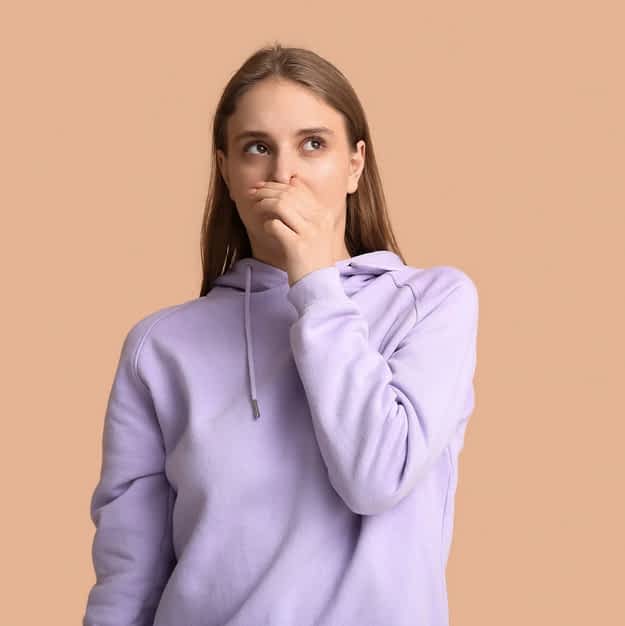
Your shoulders creep up toward your ears. Your jaw stays clenched. You realize you’ve been holding your breath without meaning to.
Physical tension around someone is your nervous system saying it can’t fully relax. You’re in a low-grade state of alert, like you’re waiting for something uncomfortable to happen. Maybe it’s criticism. Maybe it’s conflict. Maybe it’s just the emotional labor of pretending everything’s fine.
Headaches that appear more frequently when you’re together. Neck pain that seems to come out of nowhere. Your body stores stress in physical form, and relationships that aren’t right for you create a lot of stress to store.
You might notice you finally relax when they leave. Your shoulders drop. You take a full breath. That contrast says everything.
Sleep Becomes Complicated
Sleeping next to someone should feel comfortable once you’re used to it. If you’ve been together for a while and you’re still lying awake, staring at the ceiling, something’s off.
Your body is physically rejecting someone when it can’t rest in their presence. You sleep better alone. You sleep better when they’re traveling. You find yourself staying up later than necessary to avoid going to bed at the same time.
Or maybe you’re sleeping too much, using sleep as an escape from having to engage. Either extreme points to the same thing: your body doesn’t feel at ease.
I had a friend who started taking the couch “because she slept better there.” She told herself it was about mattress firmness. Six months later, she admitted she just couldn’t relax next to him anymore.
When Touch Feels Wrong
This one’s harder to admit because we’re supposed to want physical affection from someone we care about. When their touch starts feeling uncomfortable, it’s confusing. You might feel guilty about it.
Their hand on your back makes you want to step away. Cuddling feels suffocating instead of comforting. Sex becomes something you avoid rather than initiate. These are signs your body is rejecting someone on a visceral level.
It doesn’t mean they’re a bad person. It doesn’t even mean they’ve done something wrong. Sometimes two people just aren’t physically compatible in ways that have nothing to do with attraction.
You can’t force your body to respond the way you think it should. You can’t logic your way into wanting someone’s touch when everything in you is pulling away.
The Sickness You Can’t Explain
Do you get sick more often since this relationship started? Frequent colds, infections that won’t clear up, mysterious symptoms that doctors can’t quite pin down?
Your immune system is directly connected to your emotional state. Chronic relationship stress suppresses immune function. Your body is literally making itself sick trying to cope with a situation that isn’t working.
I’m not saying every illness is relationship-related. I’m saying if you notice a pattern of feeling worse when things are tense and better when there’s distance, your body might be trying to create that distance for you.
Some people develop actual allergies or sensitivities that only appear around their partner. The body finds creative ways to communicate what the mind won’t acknowledge.
What This Actually Means
None of these signs automatically mean you should end the relationship. They mean you should pay attention. Your body is giving you information. What you do with that information is up to you.
Sometimes these physical reactions point to issues that can be addressed. Maybe you need to set better boundaries. Maybe you need to have difficult conversations you’ve been avoiding. Maybe you need couples therapy to work through patterns that are creating stress.
Other times, these reactions are your body’s way of telling you this relationship has run its course. The person isn’t bad or wrong, they’re just wrong for you. Your body knows this before your heart is ready to accept it.
The hardest part is being honest with yourself about what you’re feeling physically. It’s easier to rationalize, to make excuses, to push through discomfort because you think you should be able to handle it.
You don’t have to handle everything. You’re allowed to listen when your body says no, even if your mind hasn’t caught up yet. Especially then.
Julia finally ended things with her boyfriend two months after that conversation. She told me she felt lighter immediately, like she’d been carrying a weight she didn’t know was there. Her body had been trying to tell her for months. She just needed permission to listen.
Your body is always communicating. The question is whether you’re willing to hear what it’s saying.
This post may contain affiliate links. I earn from qualifying Amazon purchases at no extra cost to you. This content is for informational purposes only and is not a substitute for professional advice. Read full disclaimer.
Thank you for reading this post, don't forget to subscribe!