
What to Do When Someone You Love Becomes an Angry Drunk
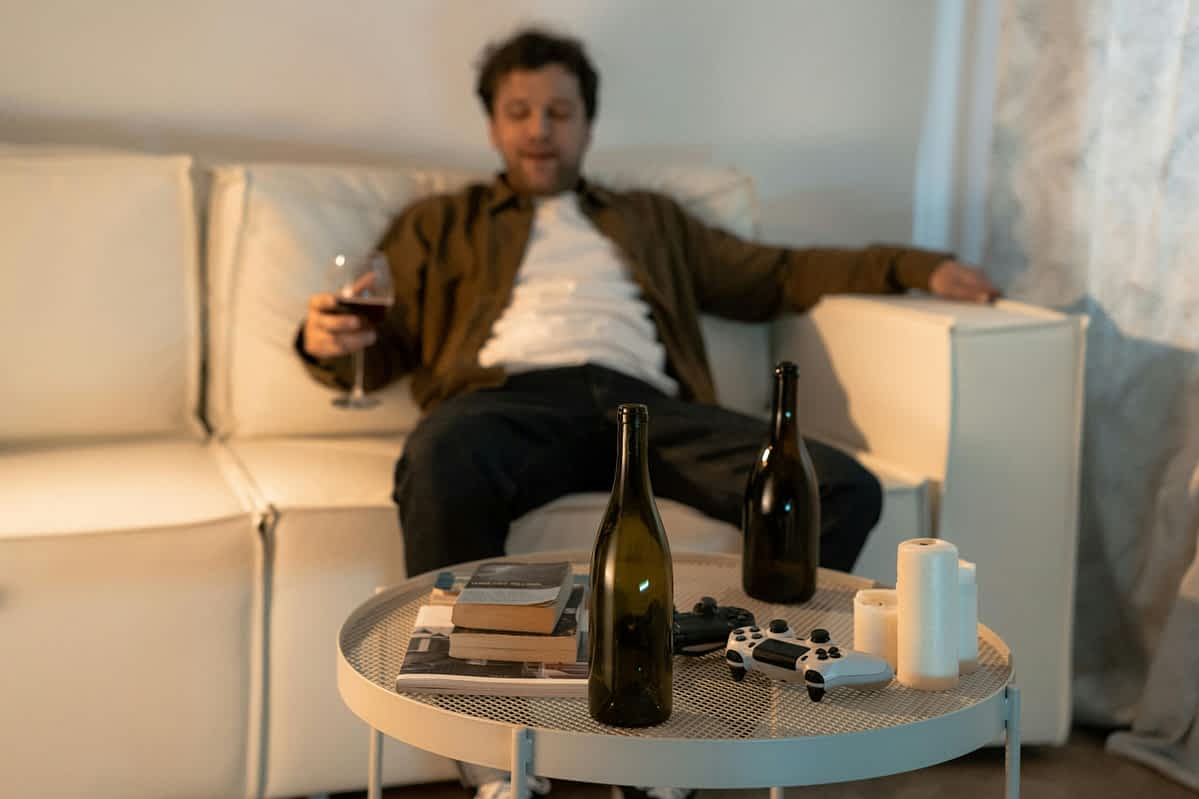
If you’ve experienced the loneliness that comes from watching someone you love take their first drink of the night, you already know what’s coming. The shift. The edge in their voice. The way their eyes go from warm to cold in the span of an hour.
One woman told me she started counting drinks at dinner parties. Not because she wanted to control her husband, but because she needed to prepare herself. By drink three, she knew the ride home would be silent or explosive. There was no in-between anymore.
Living with an angry drunk spouse isn’t like the movies make it seem. It’s quieter and more insidious. You start editing yourself. Measuring your words. Wondering if tonight will be one of the good nights or one of the nights where you lock yourself in the bedroom and wait for them to pass out.
The Pattern You Start to Recognize
Angry drunks follow a script even when they think they’re being unpredictable. First comes the looseness, the laughing a little too loud. Then the mood shifts. Maybe it’s something you said. Maybe it’s nothing at all. Suddenly you’re walking on eggshells, trying to manage someone who’s already past the point of reason.
You tell yourself it’s the alcohol talking. That the person saying these cruel things isn’t really them. And maybe that’s partially true. But here’s what I’ve learned from countless conversations with people in your position: the alcohol doesn’t create new feelings. It just removes the filter that usually keeps them buried.
When you’re dealing with a drunk partner who gets angry, you’re not just managing their drinking. You’re managing your own safety, your emotional well-being, and the constant calculation of whether tonight is the night things go too far.
What Happens to You in the Process
You become a different person too. Hyper-vigilant. Always listening for the sound of another bottle opening. You start making excuses to friends about why you can’t host anymore. You decline invitations because you don’t know what state your partner will be in when you get home.
One man told me he kept his phone charged at all times because he never knew when he might need to leave quickly. He had a bag in his car. Just in case. He felt ridiculous about it until the night he actually needed it.
This is what it means to protect yourself from an angry drunk. It’s a thousand small decisions that slowly reshape your entire life.
The Conversation That Never Goes Well
You’ve probably tried talking about it. Maybe during a sober morning when they’re apologetic and promise it won’t happen again. Maybe you’ve begged them to see what you see. The problem is that angry drunks rarely believe they’re the problem. They remember a different version of the night. In their version, you’re overreacting. You’re too sensitive. You provoked them.
This is crazy-making at its finest. You start doubting your own memory. Did it really happen the way you remember? Were they really that cruel, or are you being dramatic?
Trust yourself. If you’re reading this article right now, you already know the answer.
Drawing Lines You Can Actually Hold
Here’s where it gets hard. Protecting yourself means setting boundaries that you might not want to set. It means saying out loud that you will leave the room when they start drinking. That you won’t engage in conversations after a certain point in the night. That you will take the car keys, period.
Some of these boundaries will make them angry. That’s not your responsibility to manage.
You might need to have a sober conversation about consequences. Not threats, but actual boundaries with follow-through. If they drink and become aggressive, you will stay somewhere else that night. If they drive drunk, you will call someone. If they refuse to address the problem, you will prioritize your own safety over their comfort.
This feels impossible when you love someone. I know that. But loving someone doesn’t require you to absorb their anger like a sponge.

When It’s More Than Just Drinking
Sometimes the drinking is masking something deeper. Unresolved trauma. Untreated mental health issues. Resentment that’s been building for years. The alcohol becomes the vehicle for rage that already existed.
This doesn’t excuse the behavior. It just explains it. And explaining it doesn’t mean you have to stay and fix it.
You can’t love someone into sobriety. You can’t manage their emotions well enough to prevent the outbursts. You can’t be perfect enough, quiet enough, or supportive enough to stop an angry drunk from being angry.
The Safety Plan You Hope You Never Use
If you’re living with an angry drunk spouse, you need a plan. Not because you’re being dramatic, but because anger and alcohol are a volatile combination. Keep your phone accessible. Know where your important documents are. Have a place you can go at 2 a.m. if you need to. Tell someone you trust what’s really happening.
This isn’t giving up on your partner. It’s giving yourself options. When you’re in the middle of a situation that’s escalating, you need to know your next move without having to think about it.
Some people keep cash hidden. Others have a separate bank account their partner doesn’t know about. These might sound extreme until you’re in a position where you need them.
The Guilt That Comes With Protecting Yourself
You’ll feel guilty. Guilty for setting boundaries. Guilty for not being more patient. Guilty for thinking about leaving. Guilty for staying.
That guilt is lying to you. It’s telling you that protecting yourself is somehow a betrayal. It’s convincing you that if you just tried harder, loved better, or understood more deeply, things would change.
I’ve watched people sacrifice years of their lives to this guilt. They stayed longer than they should have because leaving felt like giving up. Because in sober moments, their partner was the person they fell in love with. Because everyone deserves a second chance, and a third, and a twentieth.
There’s a difference between supporting someone through their recovery and allowing yourself to be abused. You get to decide where that line is for you.
What Recovery Actually Requires
If your partner is willing to address their drinking, that’s a starting point. But willingness isn’t the same as action. Recovery means consistent therapy. It probably means AA or another support program. It means accountability and transparency and a genuine reckoning with the damage they’ve caused.
It also means you’re allowed to protect yourself during their recovery. You don’t have to stay in the house while they figure it out. You don’t have to pretend everything is fine because they’ve been sober for two weeks.
Recovery is long. It’s messy. People relapse. And you’re allowed to decide you can’t be present for all of it.
Choosing Yourself Isn’t Selfish
There’s this pervasive idea that leaving someone when they’re struggling makes you a bad person. That real love means staying no matter what. That if you just hang on a little longer, things will get better.
Sometimes they do get better. Sometimes people hit rock bottom and claw their way back to themselves. Sometimes love is enough to motivate real change.
And sometimes it isn’t. Sometimes protecting yourself from an angry drunk means walking away completely. It means accepting that you can’t save someone who isn’t ready to save themselves.
Moving Forward Without Losing Yourself
Whether you stay or go, dealing with a drunk partner changes you. It makes you harder in some ways, more cautious. You might find yourself flinching at raised voices even when they’re not directed at you. You might struggle to trust the good moments because you’re always waiting for the other shoe to drop.
Give yourself permission to heal from this. To talk to a therapist about what you’ve experienced. To rebuild your sense of safety and self-trust.
You didn’t cause this. You can’t control it. And you can’t cure it. Those three C’s get repeated in Al-Anon meetings for a reason. They’re the truth that people in your situation need to hear over and over until they finally believe it.
Your partner’s drinking isn’t a reflection of your worth. Their anger when they drink isn’t something you provoked. And your decision to protect yourself, whatever that looks like, isn’t something you need to justify to anyone.
You deserve a life where you’re not counting drinks. Where you can relax in your own home. Where love doesn’t come with this particular price tag.
That life is possible. Sometimes with your partner, if they do the work. Sometimes without them, if they won’t.
Either way, it starts with you deciding that your safety and well-being matter as much as theirs. Maybe even more.
This post may contain affiliate links. I earn from qualifying Amazon purchases at no extra cost to you. This content is for informational purposes only and is not a substitute for professional advice. Read full disclaimer.
Thank you for reading this post, don't forget to subscribe!