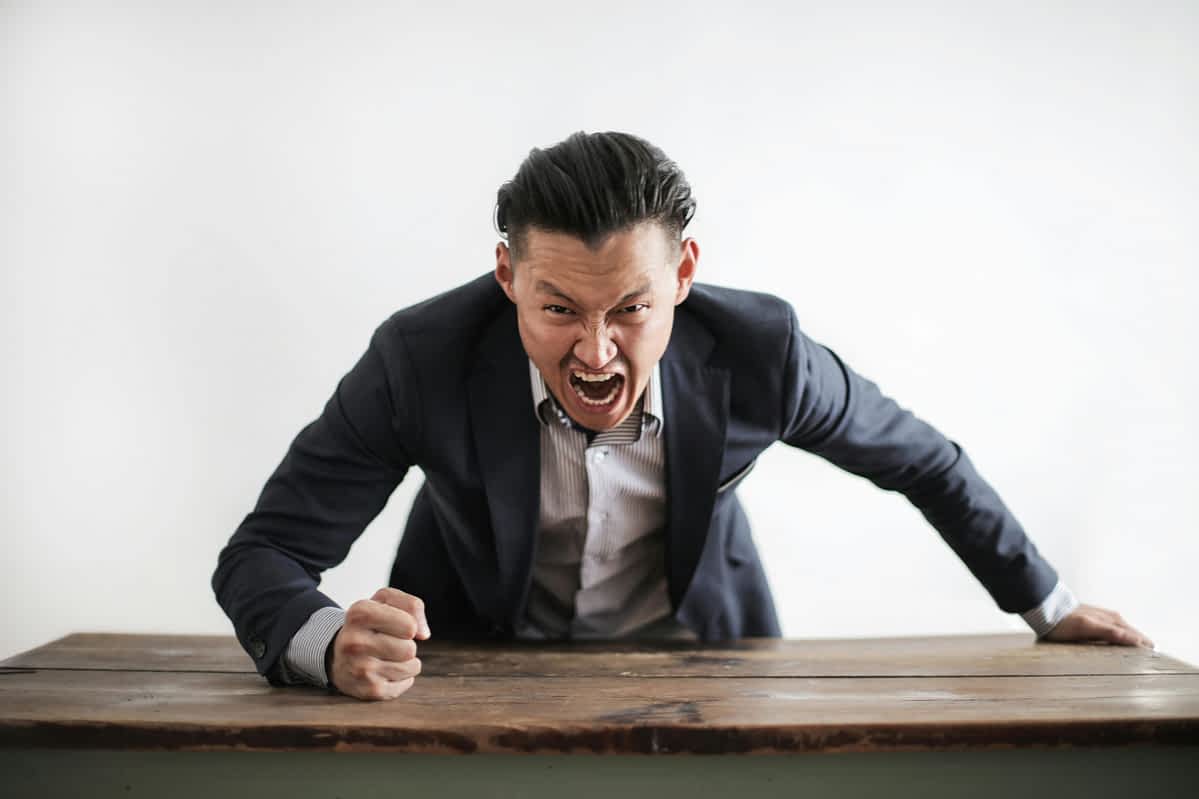


The Real Reason He Gets So Angry Over Small Things
I used to think my ex just had a temper. That’s what I told myself every time his voice got sharp, every time he slammed a door, every time I found myself apologizing for things I didn’t do. “He’s just stressed,” I’d say. “Work’s been hard on him.”
Then one day, my sister looked at me and said, “You’re walking on eggshells.” She was right. I was choosing my words carefully, avoiding certain topics, changing plans to keep the peace. I wasn’t living with someone who had anger issues. I was living with someone who used anger as control.
That’s the thing about anger in relationships. Sometimes it’s genuine frustration that needs to be worked through. But sometimes, it’s something else entirely. It’s a tool. A tactic. A way to keep you compliant, and second-guessing yourself.
The Difference Between Feeling Angry and Using Anger
Everyone gets angry. That’s human. You get angry. I get angry. Anger itself isn’t the problem.
The problem starts when someone wields their anger like a weapon. When they’ve learned that raising their voice makes you back down. When they’ve figured out that a cold stare or a slammed cabinet gets them what they want without ever having to ask.
Anger as control doesn’t always look like screaming. Sometimes it’s quieter. It’s the sudden mood shift when you bring up something they don’t want to discuss. It’s the silent treatment that lasts just long enough to make you panic. It’s the explosive reaction to a small mistake that leaves you thinking, “I should’ve known better.”
You start managing their emotions instead of your own.
How Anger Becomes Manipulation
Here’s what makes anger to manipulate so effective: it works. You learn fast. You learn which topics to avoid, which tone to use, when to stay quiet. You become an expert in their moods because the alternative, dealing with the fallout, feels worse.
The tricky part is, they might not even realize they’re doing it. Some people grow up watching anger get results. They see a parent blow up and everyone scrambles. They learn that anger gets attention, compliance, control. So they repeat it. It becomes reflex.
But intent doesn’t erase impact. Whether they mean to or not, the result is the same. You’re being controlled.
What It Looks Like When Men Use Anger to Control the Relationship
Let’s get specific. When men use anger to control the relationship, it shows up in patterns you might recognize.
He gets disproportionately angry over small things. You forgot to pick something up from the store, and suddenly it’s a full-blown argument about how you never listen, how you don’t care, how he can’t rely on you.
He uses anger to shut down conversations. You try to talk about something that’s bothering you, and within minutes, he’s the one who’s upset. Suddenly you’re comforting him, reassuring him, dropping the issue entirely.
His mood dictates the temperature of the house. If he’s in a bad mood, everyone feels it. You tiptoe. You adjust. You do whatever it takes to avoid setting him off.
He never apologizes, or he does, but nothing changes. “I’m sorry” becomes a placeholder. A way to reset without actually addressing the behavior.
You feel responsible for his emotions. If he’s angry, you assume it’s because of something you did. You’re constantly scanning, adjusting, trying to keep things smooth.

Anger Used as Power in a Relationship Isn’t Love
Love doesn’t make you afraid. Love doesn’t require you to shrink. Love doesn’t punish you for having needs or opinions or bad days.
When anger is used as power in a relationship, it stops being about feelings and starts being about dominance. It’s about who gets to decide. Who gets to be upset. Who has to apologize. Who has to change.
You might love him. You might see the good in him. You might remember when things were different. That’s valid. That’s real.
But love isn’t enough if it comes with fear. If you’re constantly bracing yourself. If you’ve started to believe that keeping the peace is more important than speaking your mind.
You’re Not Overreacting
One of the most damaging things about living with someone who uses anger as control is that you start doubting yourself. You think, “Maybe I’m too sensitive. Maybe I’m making a big deal out of nothing. Maybe I should just let it go.”
You’re not overreacting. If you feel controlled, you probably are.
Trust that feeling in your gut. The one that makes you hesitate before speaking. The one that whispers, “Don’t mention that, it’ll just start something.” That’s not anxiety. That’s your instinct telling you something’s wrong.
What You Can Do
You can’t fix someone else’s anger. You can’t love them into changing. You can’t manage your behavior perfectly enough to stop them from using anger to manipulate.
What you can do is recognize it. Name it. Stop making excuses for it.
You can set boundaries. “I’m not going to continue this conversation while you’re yelling.” “I need you to speak to me with respect.” “If you can’t discuss this calmly, we’ll revisit it later.”
You can stop taking responsibility for their emotions. Their anger is theirs to manage. You didn’t cause it. You can’t control it. You’re not required to fix it.
You can ask for change. Real change. Not promises. Not apologies. Action. Accountability. A genuine willingness to look at their behavior and do something different.
And if that doesn’t happen, you can walk away. I know that’s not easy. I know it’s complicated. I know there’s history, love, fear, logistics. But staying in a relationship where anger is used as power will cost you more than leaving ever will.
You Deserve Better
You deserve a partner who handles conflict without intimidation. Who gets angry sometimes, sure, but who doesn’t use that anger to control you. Who can disagree without making you feel unsafe. Who respects you enough to work through hard things together, not over you.
You deserve to feel calm in your own home. To speak without fear. To make mistakes without punishment. To exist fully without having to shrink yourself to fit someone else’s mood.
Anger as control isn’t love. It’s not passion. It’s not intensity. It’s manipulation. And recognizing that is the first step toward something better.
This post may contain affiliate links. I earn from qualifying Amazon purchases at no extra cost to you. This content is for informational purposes only and is not a substitute for professional advice. Read full disclaimer.
Thank you for reading this post, don't forget to subscribe!