

When Strong Women Break: The Painful Cost of Never Asking for Help
I used to think strength meant never breaking down. That it meant handling everything alone, keeping my voice steady even when my hands shook, showing up no matter how empty I felt inside. I wore that armor like a badge of honor.
Then one day, someone asked me how I was doing. Really asked. And I couldn’t answer. The words caught in my throat because I’d spent so long saying “I’m fine” that I’d forgotten what the truth even felt like.
That’s when I realized something: the strength I was so proud of wasn’t strength at all. It was survival mode dressed up in a costume of confidence. And I wasn’t the only one living this way.
What Broken Woman Syndrome Really Means
You’ve probably heard the term thrown around online. “Broken woman syndrome” sounds clinical, maybe even dismissive. But it points to something real that many strong women experience: carrying unhealed trauma so long that it reshapes how you move through the world.
It’s not about being damaged or weak. It’s about what happens when you’ve been hurt, disappointed, or let down repeatedly, and you decided the safest option was to stop letting people in. To stop needing anyone. To become so self-reliant that asking for help feels like failure.
The world celebrates this version of strength. We call women who operate this way “independent” and “resilient.” We admire them. What we don’t talk about is the cost.
The Signs of a Broken Woman Hiding in Plain Sight
She’s the friend everyone leans on but who never leans back. The one who gives advice freely but never takes it. She says yes when she means no because disappointing someone feels worse than disappointing herself.
Here’s what it looks like up close:
You’ve built walls so high that even people who care about you can’t climb them. Vulnerability feels dangerous. You’d rather handle everything alone than risk being let down again. Intimacy terrifies you, so you keep relationships surface-level or sabotage them before they get too deep.
You feel exhausted all the time. Holding it together 24/7 is draining, but you can’t remember the last time you let yourself fall apart. Even in private, you don’t cry. You don’t rage. You just keep moving.
Trust feels impossible. You’ve been burned before, so now you assume everyone will leave, lie, or let you down eventually. It’s easier to expect the worst than to hope for better.
You’ve convinced yourself that needing someone makes you weak. That asking for help is a character flaw. That being strong means carrying everything on your own, even when the weight is crushing you.
When Strong Women Break Down
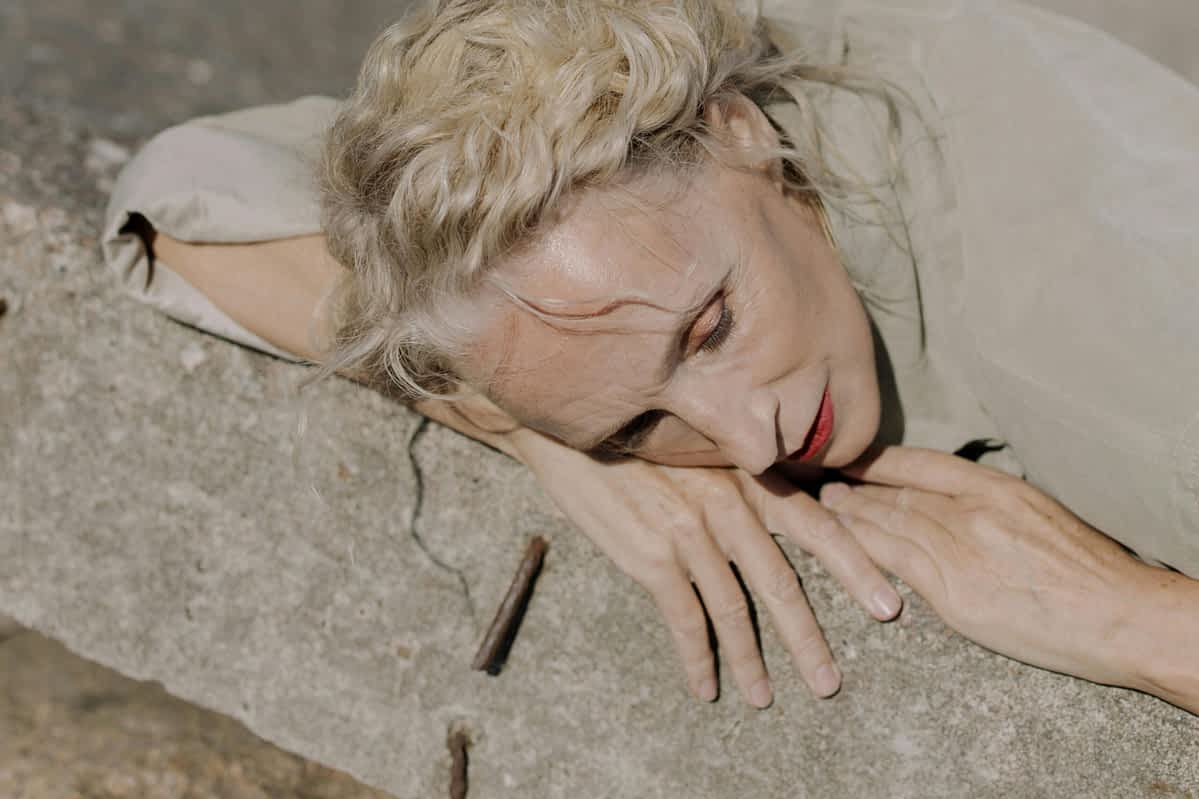
There’s a moment when the armor cracks. It doesn’t happen all at once. It’s not dramatic or cinematic. It’s quiet.
Maybe it’s a small thing that finally breaks you. Someone forgets to text back. A plan falls through. Something tiny that shouldn’t matter, but suddenly you’re crying in your car and you don’t know why.
Or maybe it’s bigger. A relationship ends. A friendship fades. Someone you trusted proves they’re just like everyone else. And instead of feeling sad, you feel numb. Hollow. Like you’ve been running on fumes for years and the tank just hit empty.
Strong women break down when they’ve spent too long pretending they don’t need support. When they’ve swallowed their pain so many times that it’s become part of their identity. When the gap between who they are and who they pretend to be gets too wide to ignore.

Toxic Strength Culture and the Myth of the Unbreakable Woman
We live in a culture that glorifies strength at all costs. Social media is full of quotes about being a “boss,” handling everything, never letting anyone see you sweat. We celebrate women who “do it all” and shame the ones who admit they’re struggling.
This is toxic strength culture. It tells women that needing help is weakness. That vulnerability is something to hide. That the goal is to be so strong, so independent, so self-sufficient that you never need anyone for anything.
But here’s the truth: that’s not strength. That’s isolation disguised as empowerment.
Real strength isn’t about never breaking. It’s about knowing when to let someone catch you. It’s about being honest when you’re not okay. It’s about recognizing that connection, not independence, is what actually heals us.
Toxic strength culture keeps women trapped. It convinces them that the armor is protecting them when really, it’s just keeping them alone.
Unhealed Trauma in Strong Women
The thing about unhealed trauma is that it doesn’t just go away because you ignore it. It sits inside you, shaping your thoughts, your reactions, your relationships. It convinces you that being strong means never being soft. That needing someone is dangerous. That the only person you can count on is yourself.
Unhealed trauma in strong women often looks like hyper-independence. You don’t ask for help because the last time you did, you got hurt. You don’t open up because vulnerability led to betrayal. You keep people at arm’s length because closeness means risk.
The worst part is you might not even realize you’re doing it. You’ve been operating this way for so long that it feels normal. Healthy, even. You tell yourself you’re just being strong.
Healing doesn’t mean becoming weak. It means recognizing that the walls you built to protect yourself are now the same walls keeping you stuck. It means understanding that strength without vulnerability isn’t strength. It’s loneliness wrapped in confidence.
What Happens When You Start to Heal
Healing isn’t linear. Some days you’ll feel lighter. Others, you’ll want to crawl back into the safety of your walls. That’s normal.
The first step is acknowledging that you’re carrying something heavy. That the way you’ve been living isn’t sustainable. That being strong doesn’t mean being alone.
Therapy helps. So does finding people who don’t punish you for being human. People who see through the armor and love you anyway. People who remind you that needing support isn’t a flaw.
You’ll start to notice when you’re putting walls up out of habit instead of necessity. You’ll catch yourself saying “I’m fine” when you’re not, and maybe, slowly, you’ll start telling the truth instead.
You’ll learn that asking for help doesn’t make you weak. That crying doesn’t mean you’re broken. That letting someone in, even when it scares you, is one of the bravest things you can do.
The Truth About Broken Woman Syndrome
You’re not broken. You’re human. You’ve been hurt, and you did what you had to do to survive. The problem isn’t that you became strong. It’s that you became so strong you forgot how to be soft.
Strength is important. But so is rest. So is trust. So is letting someone see the messy, uncertain, scared parts of you and staying anyway.
The women who seem the strongest are often the ones who’ve been hurt the most. They’ve just gotten really good at hiding it. If that’s you, I want you to know this: you don’t have to keep pretending. You don’t have to carry everything alone. And the people who matter won’t think less of you for being honest about what you need.
Healing starts when you stop trying to be unbreakable. When you realize that the cracks aren’t signs of weakness. They’re proof that you survived something hard. And maybe, just maybe, they’re the places where the light gets in.
This post may contain affiliate links. I earn from qualifying Amazon purchases at no extra cost to you. This content is for informational purposes only and is not a substitute for professional advice. Read full disclaimer.
Thank you for reading this post, don't forget to subscribe!