


When Control Disguises Itself as Care: The Manipulation You Don’t See Coming
I’ve seen relationships that made people feel crazy without the other person ever raising their voice. I remember the first time I noticed it.
A friend told me her boyfriend always needed to know where she was. Not in a sweet way. In a “send me your location or I’ll keep calling” way. She brushed it off. Said he was just protective and it felt nice to be wanted that much.
Six months later, she didn’t talk to me anymore. Or anyone else, really. Just him.
That’s the thing about covert manipulation. It tiptoes in wearing a smile, holding flowers, whispering “I just care about you so much.” And by the time you realize something’s wrong, you’re already questioning whether you’re the problem.
The Invisible Grip: How Covert Emotional Manipulation Tactics Take Hold
You know the comments. They start small. “Your friends are kind of dramatic, don’t you think?” Or, “Your mom always makes you stressed. Maybe we should skip dinner this week.”
At first, you agree. Maybe they have a point. You spend more time at home. More nights in. Fewer texts sent. Fewer plans made.
Then one day you realize you haven’t seen your best friend in two months. You can’t remember the last time you did something without asking if it was okay first.
Isolation is one of the most effective hidden manipulation tactics because it doesn’t feel like control. It feels like love. Like prioritizing “us.” Until “us” is all you have left, and the world outside starts to feel foreign and unsafe.
When you’re cut off from the people who know you best, you lose your mirrors. The ones who would tell you, “Hey, this isn’t normal.” The ones who’d remind you who you were before this relationship started rewriting you.
Monitoring That Acts Like Concern
“I just want to make sure you’re safe.”
That’s how it starts. The location sharing. The password swapping. The casual scroll through your phone while you’re in the shower. You tell yourself it’s fine. Couples share things, right?
Covert manipulation techniques like constant surveillance, for example, don’t wave red flags at first. They come wrapped in worry and affection. Maybe they say, “I can’t relax unless I know where you are.” Or they get visibly upset if you don’t respond within minutes.
Then it escalates. They’re checking your texts. Asking why you liked someone’s photo. Wanting explanations for conversations that have nothing to do with them.
Real love doesn’t need a tracking device. Care doesn’t demand access to every corner of your life. Privacy isn’t suspicious. Wanting space doesn’t mean you’re hiding something.
When someone needs to surveil you to feel secure, that’s about power.
Gaslighting: The Slow Unraveling of Your Reality
This one’s particularly cruel because it makes you doubt the one thing you should always be able to trust: yourself.
You remember a conversation. You know you heard it. You can replay it in your head, word for word. Then they tell you it never happened. Or they twist it just enough that suddenly, you’re the one who misunderstood. The one who’s “too sensitive.” The one who’s “always starting fights.”
Maybe every argument somehow ends with you apologizing, even when you can’t figure out what you did wrong. Maybe their version of events is so convincing, you start wondering if your memory is broken.
That’s not an accident. Covert emotional manipulation tactics like gaslighting are designed to destabilize you. To make you second-guess your instincts, your perceptions, your truth. When you stop trusting yourself, you start relying on them to define reality for you.
And once they control the narrative, they control everything.
Threats That Don’t Need to Be Loud
You don’t have to scream to terrorize someone.
Some of the most chilling threats come in whispers. “If you leave, I’ll hurt myself.” Or, “You’ll regret this.” Or even just a look. A tone. A silence that feels like a storm building.
These hidden manipulation tactics work because they put the weight of their actions on your shoulders. Suddenly, you’re responsible for their stability. Their happiness. Their life, even.
That’s not love. It’s emotional hostage-taking.
Fear has no place in a healthy relationship. Not fear of what they’ll do. Not fear of what they’ll say. Not fear of who they’ll become if you step out of line.

Money as a Cage
Financial control is one of those covert manipulation techniques people don’t talk about enough. Maybe because it sounds old-fashioned. Or because we like to think it doesn’t happen anymore.
It does.
Sometimes it’s overt: an allowance, a joint account you can’t access, paychecks that go straight into their hands. Sometimes it’s quieter. Discouraging you from working. Suggesting you’d be happier staying home. Making every dollar you spend feel like something you have to justify.
The goal is always the same. Dependence. If you can’t support yourself, you can’t leave.
Freedom isn’t just emotional or physical. It’s financial, too. And when someone controls your access to money, they control your ability to choose a different life.
The Emotional Whiplash of Love Bombing and Withdrawal
One day you’re everything to them. The center of their universe. Showered with affection, gifts, promises. The next day you’re nothing. Ignored. Criticized. Given the cold shoulder for reasons you can’t decipher.
This isn’t passion. This isn’t complicated love. This is manipulation, and it’s one of the most effective ways to create a trauma bond.
The highs feel incredible because the lows are so devastating. You become addicted to the relief of their return. You start shaping yourself around whatever might keep the good version of them around longer.
Real love is steady. It doesn’t punish you with silence or reward you with affection like you’re a dog learning a trick. You shouldn’t have to earn someone’s kindness or live in fear of losing it.
When Intimacy Stops Feeling Safe
This one is hard to talk about, so let’s just be direct.
Covert emotional manipulation tactics don’t stop at the bedroom door. Sometimes they start there.
Maybe they pressure you in ways that don’t look like force. Compliments that feel like obligations. Guilt trips that make you feel selfish for saying no. Pushing boundaries with “just try it for me” or “I thought you loved me.”
If you freeze, if you go along with it even though every part of you wants to stop, that’s not consent. That’s coercion.
Intimacy should feel safe. It should be mutual. It should never, ever be a test of your loyalty or a place where your boundaries get erased.
Learning to See the Invisible
Covert manipulation thrives in the shadows. It works best when you can’t name it, when you think you’re overreacting, when you convince yourself it’s not that bad.
So how do you start seeing it?
You listen to your gut. If you feel anxious, small, or constantly second-guessing yourself around someone, that’s data. If your behavior has changed in ways that don’t feel like growth, that’s worth examining. If friends have started pulling away or expressing concern, pause and ask yourself why.
Sometimes you need an outside perspective. Someone who isn’t tangled in the relationship’s web. Someone who can say, “This isn’t okay,” when you’ve been conditioned to believe it is.
Educating yourself helps, too. Learning the language of covert manipulation techniques gives you the ability to name what’s happening. And naming it is often the first step toward dismantling it.
What Comes After Recognition
Realizing you’re being manipulated is both terrifying and clarifying.
Terrifying because it means confronting a reality you may have been avoiding. Clarifying because suddenly, everything starts to make sense. The confusion. The self-doubt. The feeling that something has been off for a long time.
If you’ve reached this point, here’s the most important thing: you don’t have to figure it all out alone.
Reach out to someone you trust. Even if you haven’t talked in months. Even if you feel embarrassed or ashamed. Real friends don’t hold isolation against you. They hold space for you to come back.
If leaving feels necessary, make a plan. Gather important documents. Pack a bag and keep it somewhere safe. Have a code word with someone who can help. Safety planning isn’t dramatic. It’s smart.
Consider talking to a therapist who understands abuse dynamics. Covert manipulation rewires how you see yourself. Professional support can help you untangle that and start rebuilding.
Look into your rights. Depending on where you live, there may be legal protections, resources, or organizations that can offer guidance. Knowledge is power, especially when someone’s been working hard to keep you powerless.
Most importantly, start reclaiming pieces of yourself. Reconnect with hobbies. Reach out to old friends. Take small steps toward independence, even if they feel shaky at first.
You’re Not Imagining It
If this article made your chest tighten, if it felt a little too familiar, trust that feeling.
Covert manipulation doesn’t leave bruises you can photograph. It leaves doubt. Confusion. A slow erosion of everything that used to make you feel like yourself.
Recognizing it is hard because it’s designed to be invisible. The control disguises itself as care. The surveillance masquerades as love. The isolation feels like intimacy.
You’re not dramatic for questioning it. You’re not weak for not seeing it sooner. You’re human. And you deserve a relationship where love doesn’t come with conditions, consequences, or fear.
Once you see the patterns, you can start to break them. It won’t be easy. It might not be fast. There will be days when you doubt yourself all over again.
Keep going anyway.
💡Before You Go:
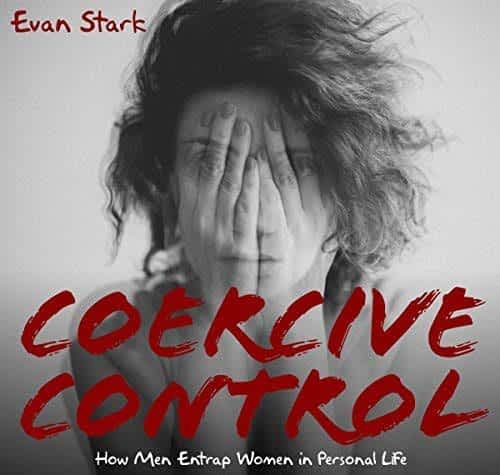
This is one of my favorite books on emotional manipulation through coercive control. I have read it myself and recommended it to several friends who benefited from it.
Coercive Control: How Men Entrap Women in Personal Life
Evan Stark, who helped start one of the first shelters for abused women in the US, brings a powerful new way of looking at domestic violence. He says abuse isn’t just about physical harm—it’s about control, too. In fact, the tactics abusers use are sometimes just like those seen in terrorism or hostage situations.
Drawing on legal cases, interviews, and FBI data, Stark shows how abusers exert control by spying on communication, controlling everyday activities, and stripping away freedom. He pushes us to stop thinking of domestic abuse as only physical violence and start recognizing it as a violation of a person’s autonomy and human rights.
By calling abuse a crime against liberty, Stark reminds us that fighting domestic violence means fighting for women’s freedom and safety—and addressing the bigger, systemic inequalities that let this happen..
This post may contain affiliate links. I earn from qualifying Amazon purchases at no extra cost to you. This content is for informational purposes only and is not a substitute for professional advice. Read full disclaimer.
Thank you for reading this post, don't forget to subscribe!